How Care Home Teams Maintain Nutrition and Hydration for Residents
Nutrition and hydration are two of the most vital aspects of maintaining good health, especially for older adults living in care homes in Wirral. A healthy diet and adequate hydration not only sustain life but also support physical health and overall well-being. In care homes, nutrition and hydration are not just about offering food and drink, they are carefully tailored to meet every resident’s individual dietary needs and preferences with dignity and care.
Understanding how care teams ensure residents receive delicious and nutritious food, as well as sufficient fluids, can provide reassurance to loved ones that the right support is always in place.
The Importance of Good Nutrition and Hydration
As people age, their nutritional and hydration needs change. Older adults may experience reduced appetite, changes in taste, difficulty chewing, or health conditions that affect how they eat and drink. Without the right approach, these changes can lead to poor nutrition, dehydration, or unintentional weight loss.
Maintaining adequate nutrition and hydration in care homes is essential for sustaining good health and preventing complications that can arise from deficiencies. Good nutrition helps strengthen the immune system, maintain a healthy weight and reduce the risk of fatigue or muscle weakness. Hydration supports digestion and temperature regulation while reducing the risk of urinary tract infections and confusion. Together, they play a key role in promoting both physical and mental health.
Managing Nutrition and Hydration Needs
When a resident moves into a care home, the team completes an initial assessment to determine their dietary requirements, preferences and any health conditions that might affect eating or drinking. This assessment is used to create a food passport that outlines the person’s hydration and nutritional needs.
Care plans ensure that the support provided is tailored to each individual. Whether someone needs help eating, is on a modified diet due to difficulty swallowing, or has specific medical conditions such as diabetes or high blood pressure that require careful monitoring, these details are included. The care teams review these plans regularly and adjust them as required to make sure residents continue to receive appropriate support.
The entire system of supporting residents with their dining needs is person-centred. This means that no two dining experiences are the same, as it considers each individual holistically and it altered to suit their needs. Residents are encouraged to express food preferences and their backgrounds are always considered when planning menus.
The Role of Mealtimes in Care Homes in Wirral
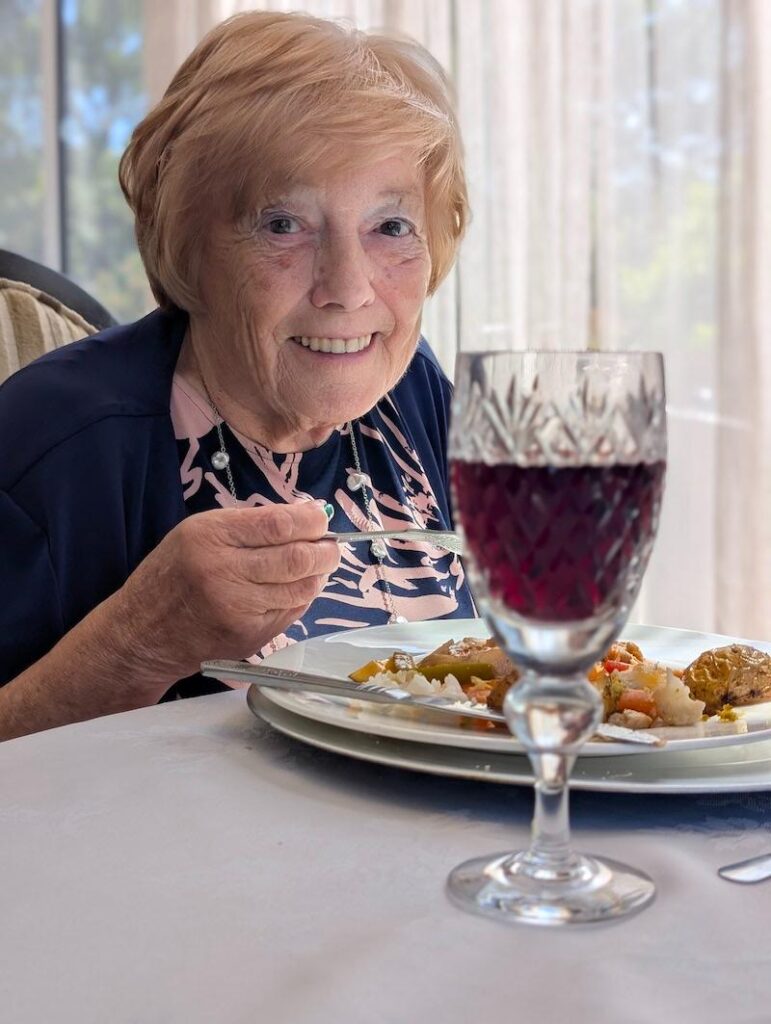
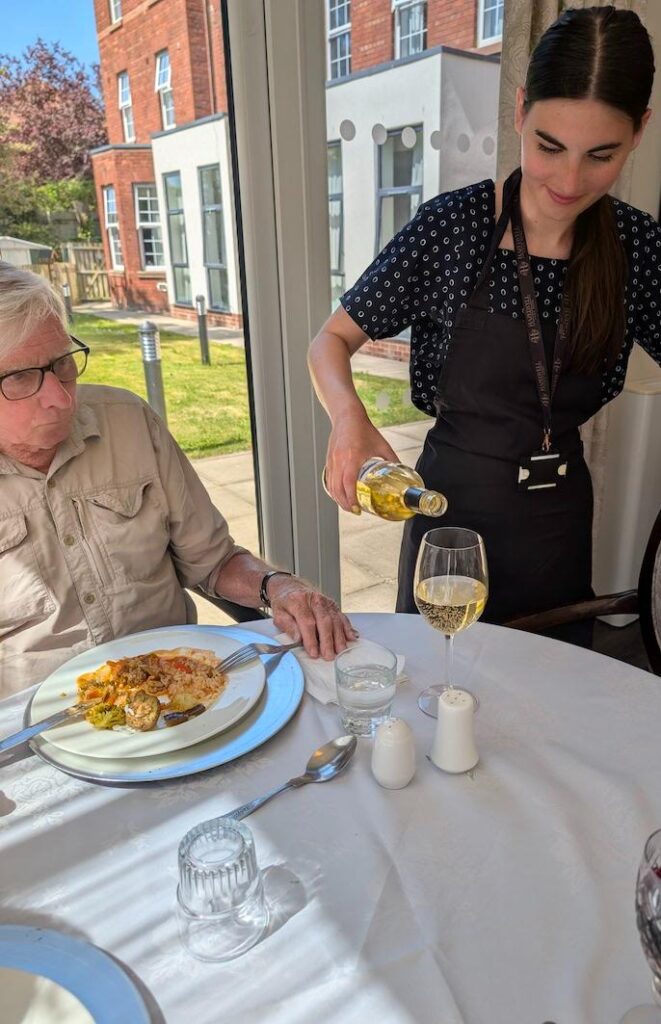
Food in care homes is designed not only to nourish but to create enjoyment and social connection opportunities. Mealtimes are often shared in communal dining areas where residents can enjoy a sense of community while eating freshly prepared, balanced meals. For many residents, these occasions become highlights of the day andd opportunities to relax and chat with like-minded individuals.
Care homes’ menus are thoughtfully planned by chefs who work closely with healthcare professionals to ensure each meal provides the right balance of nutrients. Meals often include a variety of food groups, such as fresh fruits, vegetables, protein and carbohydrates that provide energy throughout the day. Nutritional supplements may also be offered where needed to support dietary intake and maintain weight.
For residents with health complications or medical conditions, such as those requiring softer foods, meals can be adjusted in texture and consistency to ensure safety and enjoyment. Culinary teams make it a priority to offer suitable and nutritious food in appealing and appetising ways, which encourages good dietary intake while maintaining dignity and comfort. Many Wirral care homes also offer grazing areas, where residents can help themselves to snacks between mealtimes.
Supporting Hydration Around-The-Clock
Adequate hydration is just as important as nutrition. Older adults may drink less due to reduced thirst, difficulty swallowing, or fear of incontinence, which can increase the risk of dehydration. For this reason, care homes take proactive steps to encourage fluid intake throughout the day.
Hydration care involves offering residents drinks at frequent intervals, not only during mealtimes but also between meals and activities. Staff observe drinking habits closely and use hydration assessment tools to monitor hydration levels, adjusting support if any signs of dehydration arise. Drinks are varied to suit preferences and dietary needs, including water, tea, juice and milk. Foods with high water content, such as soups, fruit and vegetables, are also offered to support overall hydration.
For those who struggle to drink independently, staff provide gentle and discrete encouragement or assistance, ensuring that fluids are taken safely and comfortably.
Identifying and Managing Malnutrition or Dehydration
Care home teams are trained to identify early signs of malnutrition or dehydration through careful monitoring and observation. This may include checking weight, tracking dietary intake, or noting changes in energy levels, mood, or appearance. If concerns are raised, a review of the resident’s nutritional status is carried out, often in collaboration with external healthcare professionals.
When residents are found to be losing weight or struggling with dietary intake, additional measures are implemented immediately in line with their care plans. Enhanced menus, altered portion sizes, or the inclusion of dietary supplements can help restore adequate nutrition. For hydration concerns, staff may increase fluid intake and work with other professions to implement hydration plans.
The goal of this careful monitoring is ensuring that any health problems related to nutrition and hydration are addressed before they affect overall well-being. The process prioritises continuous review and teamwork across all care staff to maintain high standards of health and safety.


The Benefits of Good Nutrition and Hydration
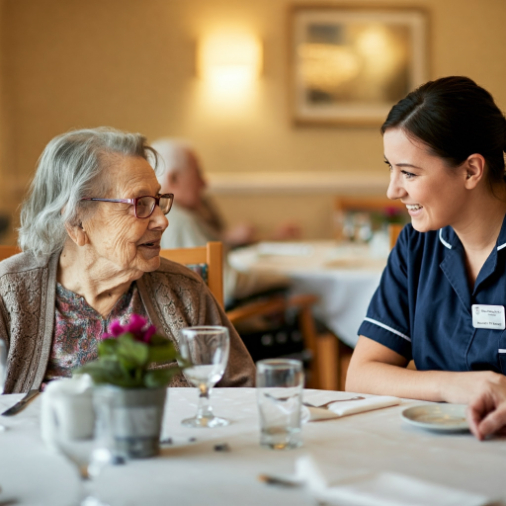
Food and drink have emotional as well as physical importance. Sharing meals can lift mood, support residents in building connections and offer a sense of routine and belonging. By making mealtimes a positive experience for residents, they will begin to look forward to them and feel more encouraged to enjoy food with like-minded individuals.
For residents living with cognitive conditions such as dementia, structured mealtime routines can be extremely beneficial. Familiar flavours, smells and dining setting layouts can evoke positive memories and help residents feel comfortable from the moment they move in. The sensory experience of eating also helps residents remain connected to their environment, which enhances overall quality of life.
Working With External Professionals to Support With a Balanced Diet
Nutrition and hydration in care homes are maintained through a collaborative approach involving the care team, chefs and family members. Nutrition and hydration assessments are regularly reviewed and food passports are updated to ensure residents receive the proper dietary care for their health conditions.
When more complex needs arise, care homes work with dietitians, speech and language therapists, or other health care professionals to manage specific nutritional challenges. If residents develop conditions that make eating or drinking difficult, the team ensures that appropriate equipment and adaptive methods are used to keep mealtimes safe and enjoyable.
The collaboration between professionals and the care home team guarantees that residents’ nutritional and hydration needs are catered for to the highest degree and can provide true peace of mind to loved ones. This ongoing partnership ensures that every resident receives holistic care, no matter their stage of health or mobility.
Building an Enjoyable and Supportive Dining Experience
The dining experience is an important part of daily life in all care homes. Atmosphere, presentation and interaction opportunities all play a part in promoting healthy eating. Care home teams understand that food should be more than a necessity and it should bring comfort and pleasure to residents.
Menus change regularly to maintain variety and appeal, often including favourites suggested by residents themselves. Most care homes will also mark special events with themed meals or family-inclusive occasions, which provide a special opportunity to enjoy delicious food in good company. The involvement of residents in menu planning ensures they feel valued and considered while being able to maintain as much independence and choice as possible.
By creating enjoyable dining environments supported by compassionate staff, care homes help residents maintain positive relationships with food and drink, which in turn enhances their physical and mental well-being.

How We Prioritise Nutrition and Hydration at The Hazelwell Care Home
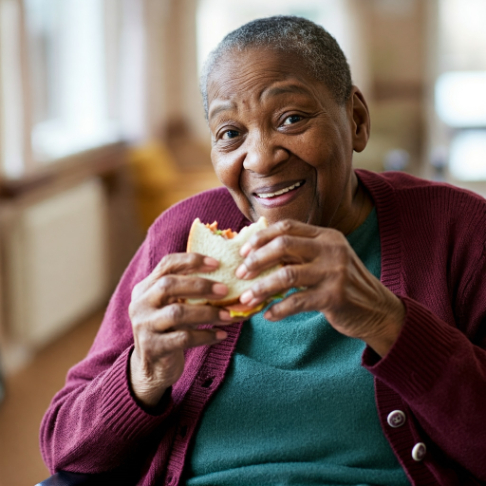
At The Hazelwell Care Home on the Wirral, we recognise the importance of good nutrition and hydration in ensuring residents live happy, healthy lives. Our experienced care teams and chefs work collaboratively to deliver balanced, nutritious meals tailored to each resident’s tastes and needs.
We understand the link between healthy eating and overall well-being, which is why our care plans and food passports are built around every individual’s nutritional and hydration needs. Residents enjoy carefully prepared meals using only fresh ingredients, alongside regular encouragement to stay hydrated and comfortable throughout the day.
Our dining experience at The Hazelwell is shaped by our residents, and we hold monthly meetings where residents can give feedback directly to our chefs or request new dishes. They are typically tested as a starter before being introduced full-time. All meals are freshly prepared on site and promote both taste and healthy eating habits. We have communal dining rooms on each floor for residents to enjoy meals alongside like-minded individuals, but if they prefer to eat in their room or in one of our lounges, we can also accommodate this.
At our care home in Wirral, we provide person-centred residential care, nursing care, early onset dementia care, respite care and palliative care in beautiful, welcoming surroundings. Each individual receives the right level of support to enjoy the best quality of life in a place they can truly call home.
To learn more about how we support our residents to maintain their nutrition and hydration or any of our other services at The Hazelwell, please get in touch and book a tour. Our team would love to show you around.