
Choosing the Right Nursing Care for Your Loved One
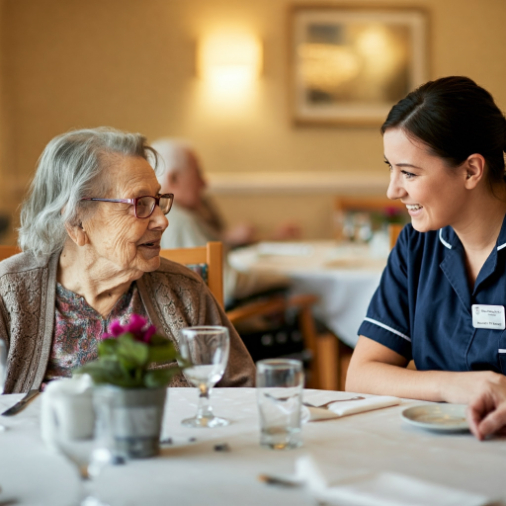
Choosing a nursing care home often comes at a time of uncertainty or transition, whether following a hospital stay, a change in medical needs, or a gradual realisation that more support is needed each day. This isn’t just a practical choice about healthcare. It’s emotional. It’s about trust, dignity, and the deep hope that your loved ones will be truly cared for, not just looked after. Getting a better understanding of nursing care and the services provided can help families make informed decisions for their loved ones. That’s why understanding what good nursing care looks like, and what to expect, can help families feel more confident, more in control, and more reassured about the next chapter.
Why the Right Nursing Care Makes All the Difference
At its heart, nursing care is about more than just medical attention and supervision. Yes, clinical support is essential, especially for people with complex or ongoing health needs. But great nursing care is also about warmth. It’s about being known, heard, and treated with compassion. The right environment can ease anxieties, reduce stress for families, and create a real sense of safety and belonging for residents.
When a care home gets it right, it becomes a place where medical needs are met with professionalism, but emotional needs are supported too, through kindness, familiarity, and everyday human connection. Residents benefit from this holistic approach, as their overall well-being is enhanced through personalized support, social engagement, and a nurturing environment.
Understanding the Different Types of Nursing and Residential Care
Many people are surprised to learn just how many types of care are available. Not everyone needs full-time nursing support, and not everyone is suited to a residential care setting either. Finding the right fit depends on personal needs, medical requirements, and sometimes, how those needs are likely to change over time.
Residential care typically supports individuals who need help with daily activities like dressing, bathing, and meals, but do not require round-the-clock medical care. This type of care assists residents with daily tasks and everyday living, helping them maintain independence even as certain activities become more challenging. Nursing care homes, on the other hand, provide 24/7 support from qualified nurses and healthcare teams, making nursing care suitable for individuals with complex medical conditions, chronic illnesses, chronic conditions, ongoing medical needs, specific illnesses, and mental health conditions. Nursing care homes also offer respite care for those needing short-term support. They are equipped to address a wide range of medical issues and health challenges, and can meet residents' nursing needs through continuous medical oversight and tailored support.
For families, understanding these distinctions can make the decision-making process feel less overwhelming. It helps clarify what level of care will provide the most comfort, safety, and dignity for their loved one, now and in the future.


The Role of Skilled Medical Professionals in Nursing Homes
What often sets high-quality nursing care apart is the experience and consistency of its healthcare professionals. Knowing that a team of registered nurses, care assistants, and specialist staff is always nearby is hugely beneficial, especially when family members can’t be present every day. Residents with complex medical needs benefit from continuous medical support, ensuring that advanced healthcare interventions and assistance are always available.
Complex health needs are monitored closely, and staff are trained to respond quickly to any changes in residents' health conditions. Registered nurses also provide wound care as part of their comprehensive medical responsibilities, supporting residents with wounds or post-surgical needs. But it’s not just the expertise that matters, it’s the way care is delivered. When medical staff take the time to understand each resident’s preferences, routines, and worries, the care becomes more than clinical. It becomes personal. And that makes all the difference to how safe and supported someone feels.
The Value of Personalised, Person-Centred Care
In a caring nursing home, residents receive personal care and are not seen as patients, they’re seen as people. This is where personalised care planning becomes so important. A person-centred approach and personalised care plans are developed through a collaborative care plan process involving residents and their families, ensuring that tailored support is provided for each resident’s unique needs, preferences, and favourite hobbies. When care is shaped around the individual, their routines, preferences, cultural background, and life story, it helps preserve identity and independence, even as needs change.
Simple things, like knowing how someone likes their tea, respecting their morning routine, or giving them space when they need quiet, all help make a care home feel less institutional and more like home. Families often speak of the relief they feel when they see their loved one cared for in a way that honours who they are, not just what their medical notes say.
Creating Comfort Through Familiarity and Routine
Moving into a nursing care home can be a big adjustment. That’s why familiarity matters so much. Whether it’s following the same morning schedule, enjoying favourite meals, or being cared for by a consistent team of staff, these familiar touchpoints bring comfort and calm, particularly for residents living with dementia or anxiety.
The best nursing care homes understand that stability is deeply reassuring. They maintain predictable routines, support personal rituals, and work hard to create an environment that feels safe and welcoming. A supportive environment is fostered by dedicated care home staff who provide compassionate support, and by the integration of nurse call systems that ensure residents' safety and enable prompt assistance. It’s not about removing all change, it’s about making change feel manageable.
Supporting Relationships and Staying Connected
No matter how high the standard of care, nothing replaces the love of family. That’s why connection is a central part of quality nursing care. Homes that prioritise family involvement and activities, through open visiting, family-friendly spaces, and regular communication, help maintain those vital relationships. Emotional support and social interaction are essential for residents and their loved ones, fostering a sense of belonging and reassurance.
Even small things, like having a quiet room for private conversations or outdoor spaces where grandchildren can visit, can make a big emotional difference. These connections contribute significantly to residents' emotional wellbeing, reminding families they’re still part of the journey, and giving residents a sense of continuity and connection with the people who know them best.
Balancing Clinical Excellence with Compassionate Care
It’s easy to think that care must be a choice between medical professionalism and warm, human interaction, but the truth is, the best nursing care brings both. Supporting residents' physical health, physical wellbeing, and mental wellbeing is essential for comprehensive, person-centred care. Yes, there must be clinical excellence. But it should be wrapped in compassion. The two go hand in hand when care is truly person-centred.
Whether your loved one is recovering from an illness, managing a chronic condition, or requiring ongoing medical attention and ongoing medical support, the goal should be the same: to receive excellent healthcare while still living with dignity, comfort, and meaning each day.
What Families Should Look For When Choosing a Nursing Home
While inspections and ratings like those from the CQC (Care Quality Commission) are a helpful starting point, they don’t tell the whole story. Visiting a home in person, speaking to staff, observing how residents interact, and seeing the environment first-hand can offer a much clearer picture of what life there is really like. It's also important to evaluate the range of services, services provided, and care services available to ensure all needs are met.
Look for places where staff know residents by name, where there’s warmth in the air, and where your questions are welcomed and answered with care. The presence of essential support, professional care, and a friendly team can make a significant difference in the experience. Wonderful facilities that enhance residents' comfort and quality of life are also key. Because at the end of the day, the right home is one where care and support are prioritized, and you feel your loved one will be safe, well looked after, and genuinely cared for.
Nursing Care at The Hazlewell Care Home
Nursing care is about more than just the practicalities of health; it’s about comprehensive nursing care that involves trust, respect, and the feeling that someone you love is in good hands . It’s about trust, respect, and the feeling that someone you love is in good hands. For many families, choosing a nursing care home brings up strong emotions — and that’s entirely natural. But with the right information and support, it becomes a little easier to make a decision that feels right.
At The Hazelwell Care Home, we understand that choosing nursing care is about more than clinical support, it’s about finding a place where your loved one will feel safe, valued, and genuinely cared for. Our experienced nursing team provides 24/7 personalised care in a warm, welcoming environment on the Wirral. If you're exploring care options, we’re here to help. Book a visit today or speak to our friendly team to learn more about how we can support you and your family.