
Christmas is often associated with family gatherings, familiar traditions and spending time with the people we love. For an older person, however, the festive period can sometimes bring feelings of loneliness, particularly if they live alone, have limited mobility or are no longer able to take part in Christmas in the way they once did.
For families considering care, it is natural to wonder what Christmas would actually be like for a loved one living in a care home. You may wonder if they will still be able to celebrate their usual traditions, if family members can visit, or what activities there may be to get involved in.
Christmas in a care home can provide opportunities for older people to spend time with others, enjoy familiar traditions and take part in activities, while having the daily care and support they need.
How Do Care Homes Celebrate Christmas?
Every care home will have its own approach to Christmas, but the festive period often includes a mixture of activities, shared meals, entertainment and opportunities for families to spend time together.
Decorating communal areas, listening to Christmas music, watching festive films, making crafts and playing games can all help create a sense of occasion. Some homes may also welcome local groups, entertainers or community visitors for the season.
The important thing is that Christmas does not need to be one large celebration. Smaller activities and everyday opportunities to talk with other residents or members of the care team can be just as valuable, particularly for someone who prefers quieter surroundings.
What Christmas Activities Can Residents Enjoy?
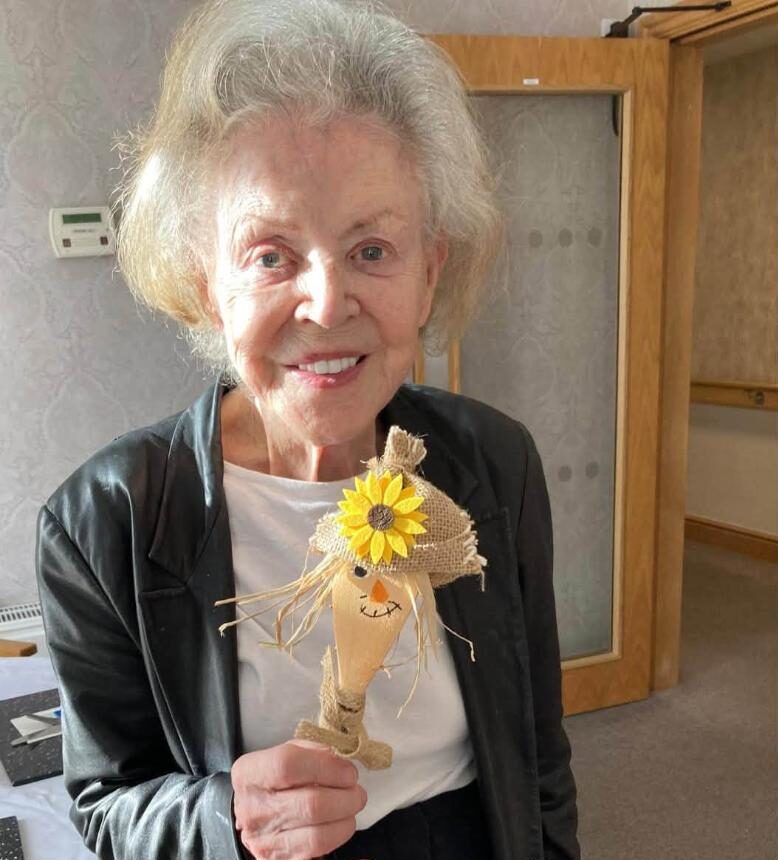
Christmas activities in a care home should reflect the interests and abilities of the people who live there. This might include decorating the Christmas tree, making cards or decorations, baking festive treats, singing familiar songs or taking part in Christmas quizzes and games.
Residents can also be involved in preparing for Christmas rather than simply being invited to attend celebrations. Helping to choose decorations, set the table or prepare a favourite recipe can provide a sense of purpose and allow residents to continue familiar traditions.
For people living with dementia, familiar activities can be particularly meaningful. Familiar music, photographs, games and festive preparations can all provide opportunities for connection and reminiscence.
Can Family Visit a Care Home at Christmas?
Moving into a care home does not mean losing the family traditions that have always been important. Family members can continue to visit, spend time together and bring familiar elements of Christmas into the home.
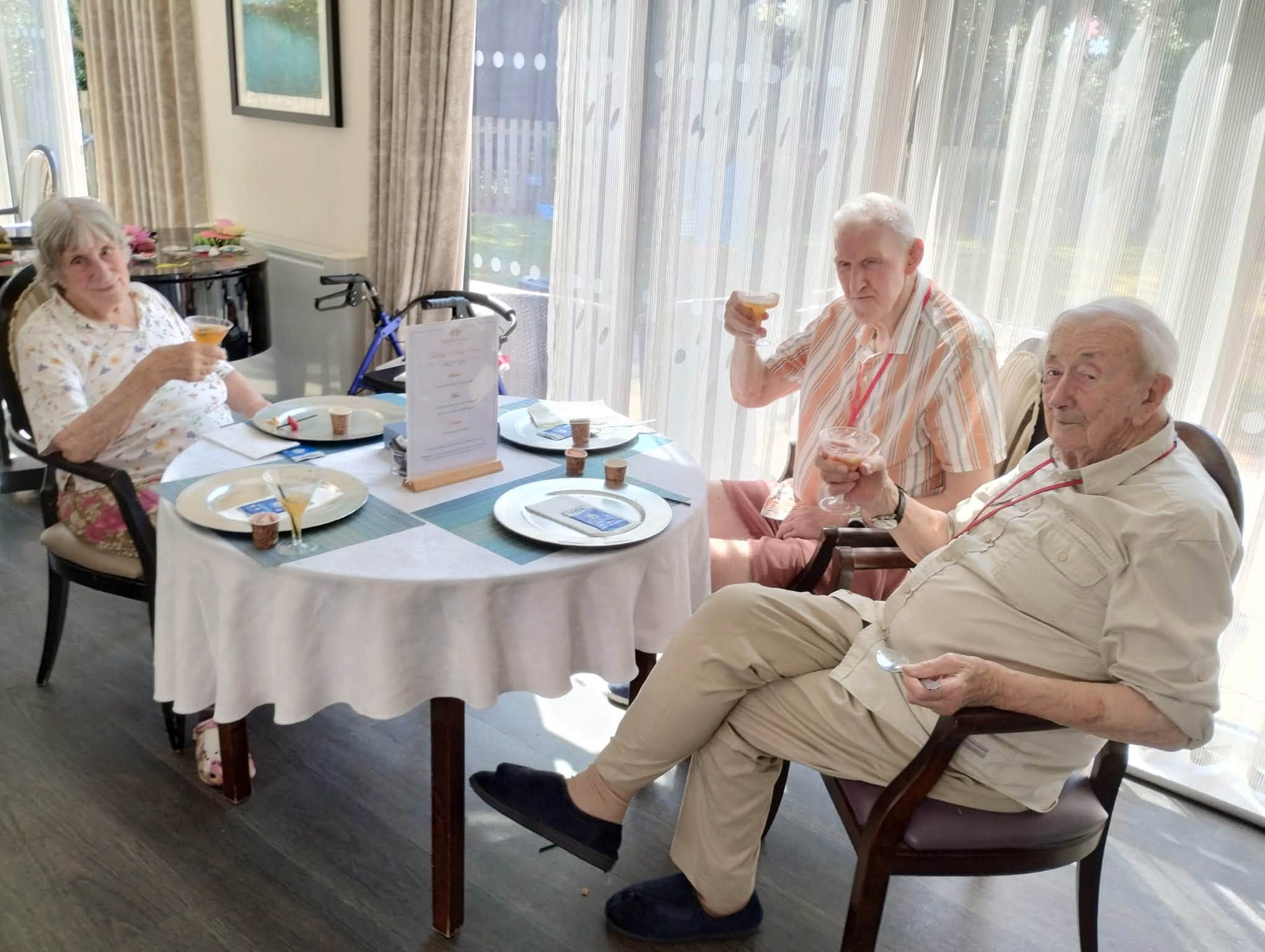
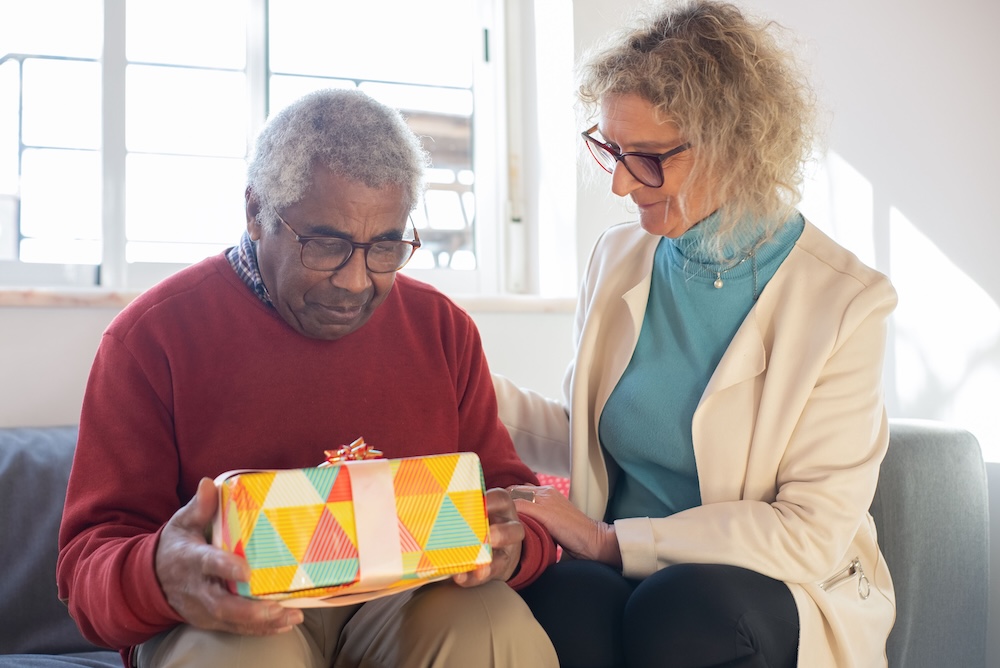
Some care homes organise special Christmas events where residents can invite their relatives to join them. Families might share a meal, exchange presents, listen to music or simply spend time together in a quieter area of the home.
For an older person who has become isolated at home, this can offer reassurance during Christmas and the rest of the year. They can continue seeing the people who matter to them while also having companionship from staff and other residents throughout the rest of the festive period.
Can Christmas in a Care Home Help With Loneliness?
Loneliness can be particularly noticeable at Christmas when there is so much emphasis on family and togetherness. An older person who spends much of their time alone may find this difficult, particularly following bereavement or changes to their health and mobility.
Living in a care home can provide regular opportunities for social contact. Residents can share meals, spend time in communal areas, join a range of activities or simply have a conversation with someone during the day.
This is one of the differences between spending Christmas alone at home and spending Christmas in a care home. Companionship is not limited to Christmas Day. There are people around throughout the year, alongside support with everyday tasks and personal care when it is needed.
Someone may prefer to spend time in their room, listen to familiar music, read, watch a favourite film or have a quieter conversation with a member of the care team. Having different spaces available allows residents to choose how they spend their time.
What About Christmas for Someone Living With Dementia?
Christmas can involve changes to routines and surroundings, which may sometimes be confusing or unsettling for someone living with dementia. Keeping familiar elements of their usual routine can help make the festive period more comfortable.
Care teams can also use their knowledge of each resident's life, interests and preferences to make activities more personal. Looking through photographs, listening to music from earlier in someone's life or talking about past Christmases can encourage reminiscence without putting pressure on someone to remember specific details. People living with dementia may also find large gatherings or too much noise overwhelming, so it’s important to provide a quiet space where someone can take a break if Christmas activities become too much.
For families considering dementia care in Wirral, it can be useful to ask how a care home adapts its Christmas celebrations for residents with dementia and how staff respond if someone becomes tired or overwhelmed.
Does a Care Home Still Provide Daily Care at Christmas?
Christmas does not mean that an older person's usual care and support stops. Residents continue to receive assistance with personal care, medication, mobility, meals and other aspects of daily life according to their individual care plan. Nursing care can also provide additional support for people with more complex health needs.
This can be reassuring for families who may otherwise be responsible for providing a greater level of practical support over Christmas. Instead, relatives can spend time with their loved one without having to manage every aspect of their care themselves.
What Types of Care Can Someone Receive Over Christmas?
The type of care required will depend on an individual's circumstances. Residential care can provide accommodation, personal care and support with everyday activities, while nursing care is available for people who have additional medical or higher dependency needs.
Dementia care provides more tailored support for people living with memory loss and cognitive impairment. Respite care can also provide a short-term stay for someone who needs temporary support or for a family carer who needs a break. The Hazelwell also provides palliative care for people who require this level of support.
The Christmas period can therefore look different for every resident. What matters is that their care, routines and activities are adapted around their individual needs.

Christmas at The Hazelwell Care Home in Wirral
For families looking for a care home in Wirral, The Hazelwell Care Home in Heswall offers a setting where Christmas can be part of a wider programme of social activities and everyday support.
The Hazelwell's wellbeing programme includes both group and one-to-one activities, with the team taking time to understand residents' individual preferences. The home also has communal lounges, landscaped gardens, a library, cinema, rooftop salon and dining facilities, giving residents different ways to spend their time throughout the day.
The home's approach to dementia care is also designed around familiarity and individual needs. Its dementia care team receives ongoing training, while personalised care plans take account of residents' routines, interests and preferences.
Making Christmas Special at The Hazelwell
At The Hazelwell, Christmas is an opportunity for residents, relatives and the care team to spend time together. Previous Christmas celebrations at the home have included family events, festive food, music and opportunities for residents to share memories and traditions.
The home also has strong links with the surrounding Wirral community. Residents can take part in outings to places including Wirral Country Park, Birkenhead Park and New Brighton, while local groups and performers are welcomed into the home.
Alongside these activities, residents have access to exceptional residential, nursing, dementia, respite and palliative care, with highly trained staff available to provide consistent, compassionate support around the clock. Our person-centred care means that care plans are built around each person's needs, preferences and routine. For families, we offer reassurance that older loved ones can enjoy companionship, personalised activities and comfortable family time while still receiving the practical and personal care they need.
If you are considering a care home in Wirral for a loved one, we'd love to welcome you to The Hazelwell to help you understand what everyday life is like and discuss how the team could support them over Christmas and throughout the year.
Frequently Asked Questions
Do care homes provide Christmas dinner?
Many care homes provide a special Christmas meal as part of their festive celebrations. Families can ask about menus, dietary requirements and whether relatives can join residents for meals.
Do care homes have Christmas activities?
Care homes often organise festive activities such as crafts, music, games, baking, entertainment and reminiscence sessions. Activities should be adapted to residents' interests and abilities.
Is Christmas a good time to move into a care home?
There is no single right time to move into care. Christmas may highlight loneliness or difficulties managing at home, but a decision should be based on the older person's care needs, preferences and circumstances rather than the time of year.