How Do Care Homes Support Residents’ Independence?

Choosing a care home does not mean giving up independence. Many individuals consider care due to a growing need for additional support for daily living activities or medical care that can no longer be managed at home. However, this does not lead to a loss of independence. Care homes are equipped with tools and teams who focus on maintaining residents' independence wherever possible, while still offering reassurance that support is there when it's needed.
In this blog, we will explore how care homes support independence for residents and enhance their quality of life.
Understanding and Promoting Independence in Care Homes
Promoting independence in a care home environment starts with the understanding that needing support does not take away from a person's identity. It is about recognising what residents can do for themselves and encouraging them to stay involved in everyday decisions. Care homes that focus on independence aim to support choice and dignity, while improving quality of life.
Why is Independence Important?
Maintaining independence helps protect self-esteem and mental well-being. When residents feel that their views are listened to and their preferences are respected, they will feel valued and in control of their lives. Care teams support this by listening and adapting routines to each person’s needs and abilities.
Personalised Care Planning
Each resident is unique, and it is important to ensure their care reflects this. When a resident moves into a care home, the team take the time to collaborate with them and their loved ones to create a care plan that will shape every aspect of their care moving forward.
A care plan includes all aspects of someone's life, including:
Life history
Health and support needs
Preferences and interests
Lifestyle choices and daily routines
Dietary Requirements
Care plans should be regularly reviewed so they continue to match residents' changing needs. For example, one resident may place great importance on maintaining choice about their mealtimes, so the care team would add this into their care plan and support them with this throughout their journey.
As well as helping residents manage their independence, staff should talk openly with residents about any concerns or areas where additional support may arise. This shared approach helps residents feel more confident in their own abilities and in the care they receive.
Encouraging Independence in Daily Routines
Daily routines are a great way to support independence. Simple choices that may seem minor, such as when to get up or what to wear, can contribute to a greater sense of freedom and control. Care home staff can help residents stay involved by offering gentle prompting instead of taking over tasks completely.
For example, a resident may be encouraged with more personal tasks like brushing their own hair or buttoning their coat. These small actions can help maintain daily skills and confidence. Care homes also create a homely, familiar environment where residents feel safe to move around and use shared spaces for social interaction or unwinding. This can help people feel more comfortable managing their daily lives within the home.

Supporting Physical Well-Being
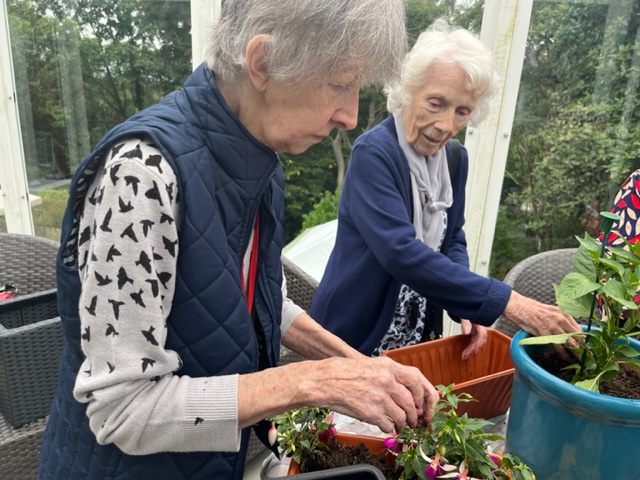
Independence is closely linked to physical health and well-being. Care homes in Merseyside may offer gentle exercise sessions such as chair yoga, tai chi, or even walking groups, all of which can be tailored to the individual’s abilities to assist with mobility. When residents are supported to stay active and do what they can for themselves, it can help maintain their overall health.
Care providers should always balance safety with independence. A resident may need help with certain tasks, but they can still make choices about how to participate. Care teams should focus on what the resident can achieve, not just on what they need help with. This approach helps preserve dignity and supports a more confident, happier day-to-day life.
Supporting Emotional Well-Being
Mental health and emotional well-being are just as important as physical well-being. When residents are respected and listened to, they are more likely to feel secure and supported. Care homes can help promote well-being by providing a welcoming environment with clear communication between staff and residents and opportunities for tailored activities to keep everyone engaged.
For residents living with dementia or other cognitive impairments, independence may look different. Familiar routines and surroundings with gentle encouragement all have an impact. Staff can support residents by encouraging them to make small decisions, such as choosing an outfit or deciding what to do during the day. Maintaining a sense of control can help reduce feelings of confusion or anxiety and support a better quality of life.

Encouraging Choice and Self-Expression
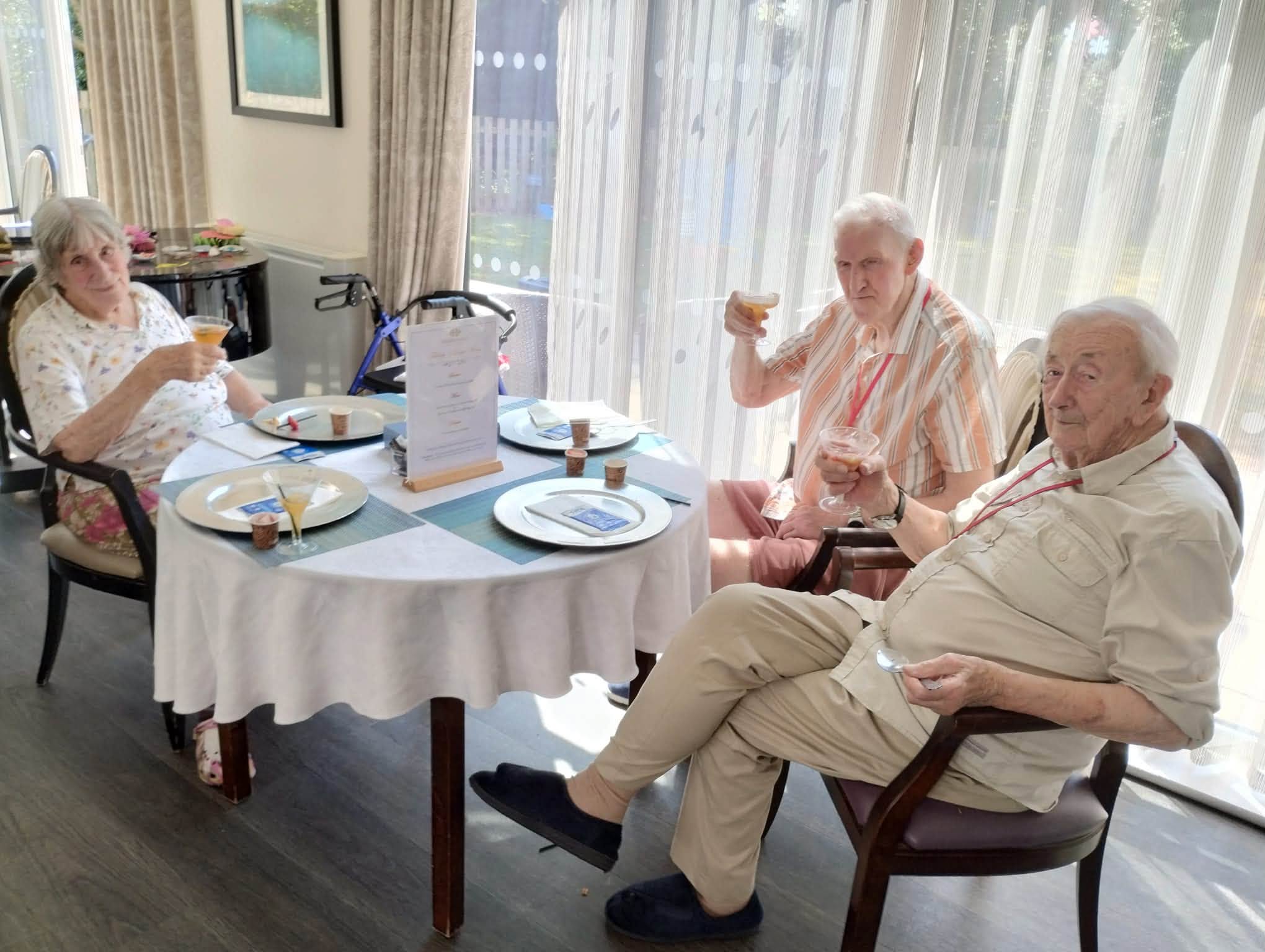
Encouraging residents to express themselves and make choices that reflect who they are can be transformative within a care home setting. Residents may prefer quiet reading, conversation with friends, or time alone throughout the day. All of these choices are valid and play an important role, as these pastimes can help stimulate the mind and help residents feel at home.
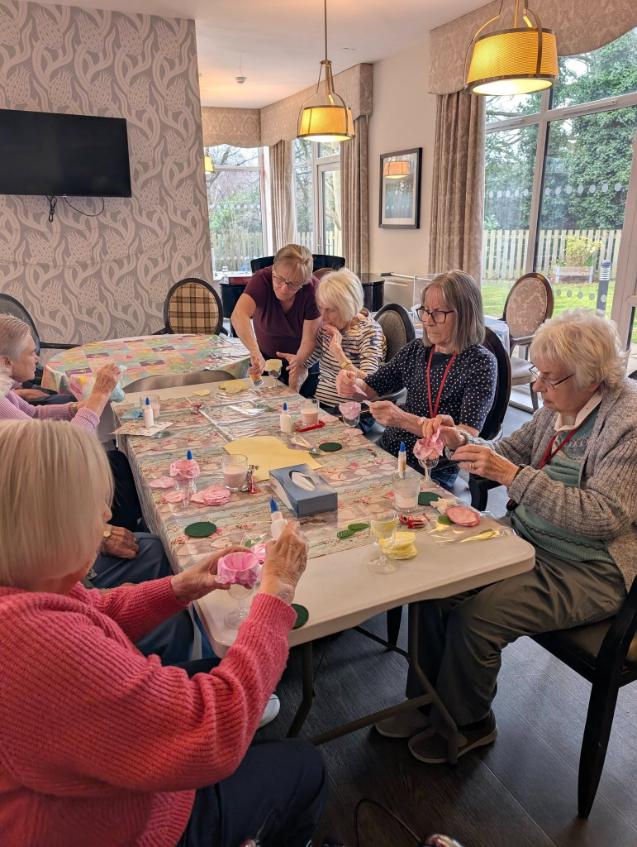
Caregivers can support this by offering a varied programme of activities and by asking residents what they enjoy. Some residents may still want to continue a much-loved hobby or maintain community links outside the home. Care staff can help them stay connected while respecting their wishes and energy levels, which helps residents feel valued and in charge of their own lives.
Collaboration with Families and Care Professionals
Promoting independence does not happen with one group. Families and care professionals also play an important role. Care homes should encourage families to stay involved with loved ones and the team, sharing updates, listening to residents’ views, and attending care plan reviews. This collaboration helps ensure that choices continue to reflect the resident’s preferences and values.
Care professionals can also support families by explaining how they can encourage independence during visits. This can help families stay consistent with the care plan and build trust in the team that provides support to their loved ones.
Supporting Independence at The Hazelwell
At The Hazelwell, we understand that residents do not stop being individuals when they move into care. They continue to have their own preferences, routines and choices. By creating a welcoming environment and offering quality care that adapts to changing needs, we help residents maintain as much independence as possible while still receiving the right support.
Our dedicated team provides nursing care, residential care, respite care, palliative care and dementia care, all with a focus on personalised support and dignity.
Contact us today to learn more about how we can support your loved one’s independence in a caring and respectful environment. Our team is here to answer your questions and show you how our person-centred care approach supports residents in continuing to do the things they love.